Evaluating the Street children’s behaviour whilst learning about primates and their environment
Key Learning Drawn from the Street Kids Visit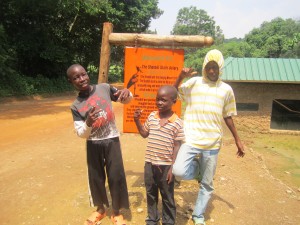
The program had a pre and post visit evaluation. Pre included observations made in their first trip and post was at the return trip at the facility.
Beneficiaries
The first trip comprised of 35 children and the second had 42 children including two facilitators that escorted the group.
Activities
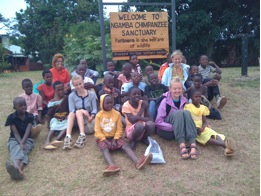
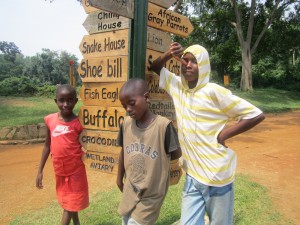
The children engaged in different activities which included; community work, a guided tour around the zoo (UWEC), life skills 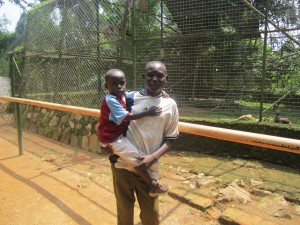 exposure, music dance and drama, lunch and refreshments. In undertaking these activities, chimpanzees were used as ambassadors to speak for other animals that have had similar circumstances in their lives.
Key Learning
From the observation and interactions with the street children, the following key learning’s were drawn;
-
The children willingly undertook community work and through this they learnt how to be responsible and live in a clean environment. They were asked if they had any problem with tiding up where they live or it’s something that they did not like to do in their everyday life.
Their responses indicated that it was very important in avoiding disease spread that would affect them since they have no money and have to be healthy so as to get energy for every day.
It’s therefore important to note that street children can play a role in cleaning up the towns or areas they live if mobilized.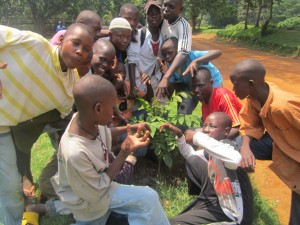
-
They also learnt how be co-operative and work together as a group and with different people in the communities they live in, unlike their first visit in which they did not do any community work. It was observed that the children were much relaxed on the second visit and paid more attention to the facilitators.
This led us to the conclusion that a one off visit may not easily influence behavior and action among the street children. This is on ground that the children were very skeptical on the first visit, but slowly learnt to trust their facilitators.
-
Through another guided tour the children learnt more about animals and this time they were more inquisitive in learning about anything that they were being taught which was not in the same case during their first visit, where they did not feel confident to ask questions or want to know more about the animals that they saw and liked. They expressed their key learning on animals through pictures, stories, and questions
During the second visit, the children asked more questions like,
-
What is the relation ship between chimpanzees and humans?
-
At what age do snakes give birth?
-
Why do tortoises survive for a long time?
-
Do you always take back these animals to the wild?
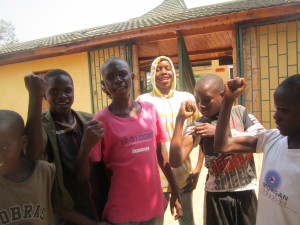
This is evident that they had developed a passion for animals and they no longer just have a concern about their own plight, but the environment that surrounds them, unlike in the first visit.
When asked to tell tales about animals, this time they had more stories to tell with out any hesitation for example how people came from chimpanzees, why the eagle eats the hens’ chicks, how the hare tricked the leopard, why the giraffe developed a long neck among others, and also were able to derive meanings and lessons from these stories of which they later related to their daily lives and learnt from them, unlike in their first visit where they told stories but could not derive any meaning out of them.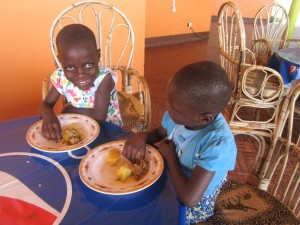
-
The children mentioned some actions they would undertake to protect animals and their habitat. They mentioned; feeding, not killing, taking time to learn about animals and planting trees.
They were also concerned about the wild animals that are eaten by the carnivorous animals and humans as well and asked Uganda wildlife education Center to encourage people become vegetarians.
-
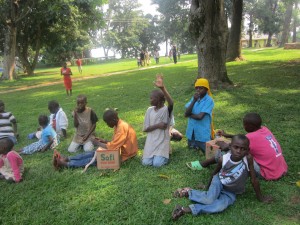 They also named polythene and plastic as an environmental problem and advocated for picking all polythene bags and plastics that are littered. They demonstrated this through a community service activity at UWEC where they collected all polythene. They suggested reusing the polythene to; light their stoves back at home, unlike in the first visit where they discarded the sweets and biscuit wrappers after eating.
 -
Keeping food, constructing huts. This was contrary to the first visit where poor waste disposal was evident.
-
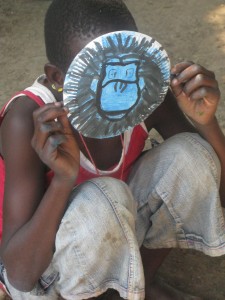
When asked to draw animals they liked and why they liked them this was done on this particular visit where they used their skills and creativity more, unlike in the first visit most of them did not want to draw and others did not know how to draw the animals they liked and tell why they liked them, they simply drew images which did not portray the real animals they had seen.
Conclusion
Sustained programs with street kids can lead to behavior change and action among street kids if properly managed.
You can help support these programs which we aim to run each month. 2 days a month costs Yebo £400. If you would like to donate even 50p we would be so so grateful for your kind support.
Our account details are below
LLoyds Tsb
Account name: Yebo
Account number: 00802607
Sort code: 30-93-74
Overseas payments
BIC: LOYDGB21022
IBAN: GB87 LOYD 3093 7400 8026 07
 News, Projects, Uncategorized | admin December 22, 2011 |
  Comments (1)
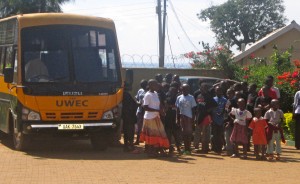 On the 18th November 2011, Yebo supported Children living on the street and at the safe house of Raising up Hope orphanage in Uganda.
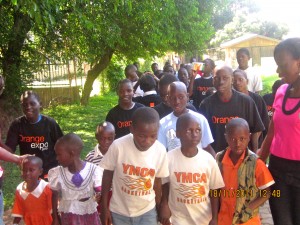 The group was up by 5AM and started preparing for the day in
 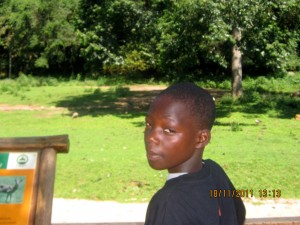 anticipation of excitement at seeing animals, eating good food, play and creativity, and the fun of traveling away from the safe house and streets where they are living. As they made a brief clean up of the safe house, their joy increased on seeing the Ugandan Wildlife Education Centre bus and started their journey at 8AM
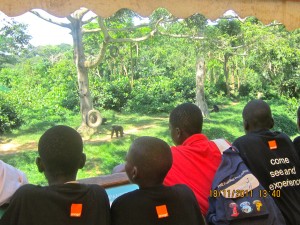 which were:
 chimpanzees
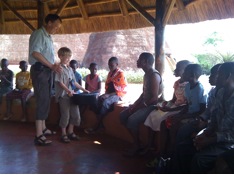
 During the day the children went around all of the animal exhibits at the centre, led by the UWEC
  staff that have been assigned to the project. The children were able to have a question and answer session on all of the animals as they went around to see them all and always focus on the chimpanzees as a point of reflection.
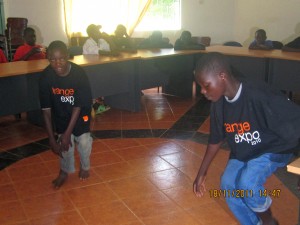
 The children used their creativity and mimed, sung and danced to different local music, putting their skills and imagination into all of their achievements, and allowing their talent to show through.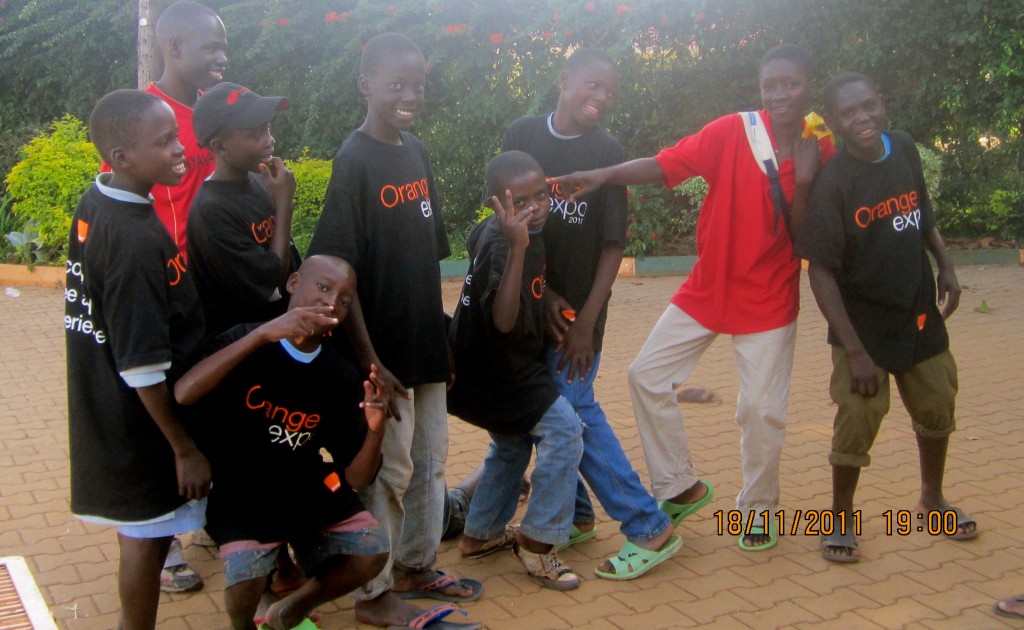
 For those who have been keeping up to date on our projects we have now raised enough money to begin more of our outreach projects in Uganda.
 time at the centre. This can be an important part of their trip aswell, due to the lack of food that all the children experience.
 Unfortunately we found out that recently the police rounded up
 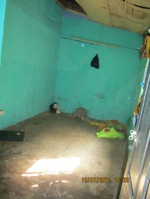 and imprisoned 300 children living on the streets of Kampala. 150 of these children formed part of Raising Up Hope for Uganda’s (RUHU) outreach project and we knew many personally.
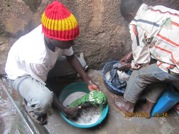 those that were taken criminalising these children also hurt those that are still on the streets by driving
 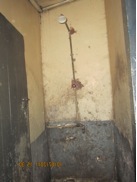 them further underground. This makes it so much harder to help and care for them.
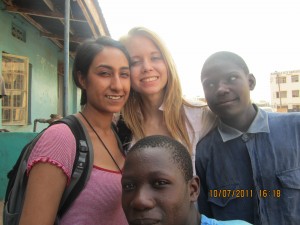 generously decided to help Patrick and RUHU by funding the first 12 months rent of a safe house for 70-100 children. The main priority at this stage is to create a safe environment where the children feel safe
  and are shielded from the daily beatings and harassment of
 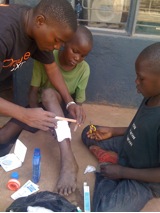 the police so they are able to fully participate in RUHU’S outreach and rehabilitation projects
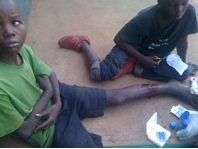 shower.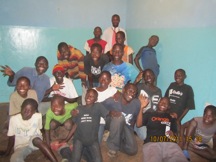
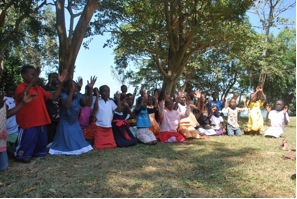 On Saturday, 20 children from the orphanage and 20 from the local community that RUHU work with, along with Patrick, William and Julius – who helping the children develop their singing and dancing – came to UWEC to show the Yebo team the songs and dances they have been practising and to do some art activities with the volunteers.
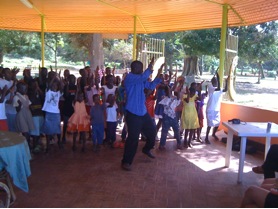 saw them. In the songs, the children sing about the environment and why they believe it is important that we protect animals and plants for the future. Hearing them sing about how they want to conserve nature was a very inspiring and moving sentiment to hear from such young children.
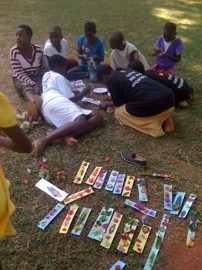 After a delicious lunch of traditional Ugandan food, and a quick swim in the lake to cool off, the children collected flowers from around UWEC and together with the volunteers, and used them to make bookmarks. Despite the children never having done it before, they learnt very quickly and produced some beautiful bookmarks that will be sold at the show.
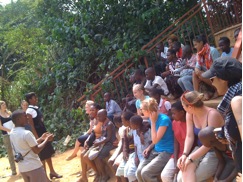 During two days the volunteers have hosted the first Yebo children’s camp at UWEC for 20 community children. The aim of the camp was to allow the children to delve deeper into therapeutic activities and gain a better understanding of the connection between chimpanzees and humans. During the first day the children were able to closely observe the chimpanzees at UWEC by helping the keepers feed them fruit and also learn their individual stories. Play and learning was combined in a question and answer session where the children related the stories of the primates to their
 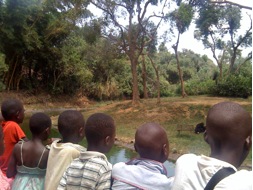 own backgrounds and traumas, which were often very similar.
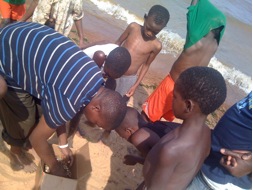 the grass and engaged in therapeutic activities by drawing chimpanzees expressing particular feelings that the children themselves chose and had to explain.
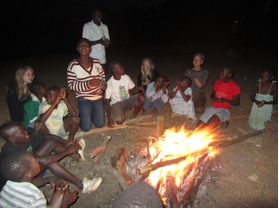 versions. The first day of the camp concluded with a fascinating and inspiring talk about the role of rangers in national parks by Francis, the head of security at UWEC.
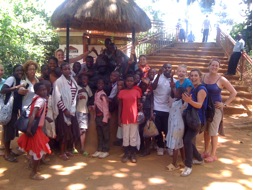 aim of this trip was to give the children inspiration for conservation-focused songs to be performed during the show.
 become what they believe’. This gave good results as the volunteers and the children subsequently composed a song and a poem about the importance of conserving the environment for our future.